
Coffee Storage
Learn the best practices to preserve the quality and freshness of coffee after roasting.
Preserving Quality
Proper storage is crucial to maintain the quality of specialty coffee. After roasting, coffee continues to release CO₂ and aromatic compounds, being vulnerable to oxidation, moisture, light, and contamination by external odors.
Roasted coffee reaches its flavor peak between 3-14 days after roasting, depending on the brewing method. For espresso, it is recommended to wait 7-14 days, while filter methods can be consumed from the 3rd day.
Understanding the factors that affect coffee deterioration allows consumers to maximize the sensory experience and enjoy the full potential of specialty beans.
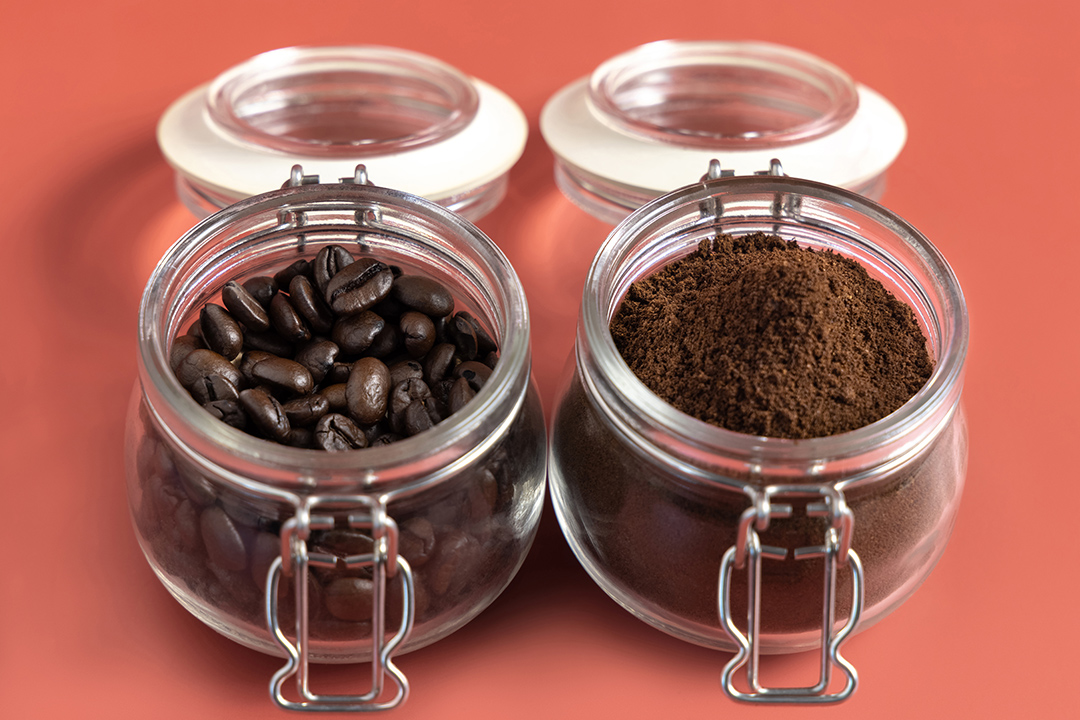
Temperature
Cool and stable environment, avoiding thermal variations that accelerate deterioration.
Humidity
Dry environment to prevent fungus development and moisture absorption.
Validity
Ideal consumption up to 30 days after roasting for maximum sensory quality.
Packaging
Hermetic containers with one-way valve for CO₂ release.
Coffee Enemies
Oxygen
Main cause of coffee oil oxidation, resulting in rancid flavors and aroma loss. Air contact should be minimized as much as possible.
Solution: Hermetic packaging, one-way valves, quick consumption after opening
Light
Direct sunlight and artificial light accelerate aromatic compound degradation and can cause unwanted heating.
Solution: Storage in dark place, opaque packaging
Moisture
Excessive moisture can cause fungus development and water absorption by beans, altering flavor and texture.
Solution: Dry environment (relative humidity < 60%), desiccants if necessary
Heat
High temperatures accelerate all deterioration chemical reactions and can cause bean "re-roasting".
Solution: Stable room temperature (18-22°C), away from heat sources
Odors
Coffee easily absorbs environmental odors, contaminating its natural aroma with unwanted smells.
Solution: Hermetic containers, away from aromatic products
Time
Even in ideal conditions, coffee gradually loses its volatile aromatic compounds over time.
Solution: Consumption within 2-4 weeks after roasting
Ideal Packaging
One-Way Valve
Allows CO₂ exit without air entry. Ideal for freshly roasted coffee.
Multilayer Laminate
Barrier against light, oxygen, and moisture. Most effective material for preservation.
Hermetic Container
For transfer after opening. Dark glass or metal with effective seal.
Packaging to Avoid
Common Paper
Permeable to air and moisture. Does not offer adequate protection.
Transparent Plastic
Allows light passage and can transfer plastic flavors.
Porous Containers
Unglazed ceramic or wood allow gas exchange.
Freshness Timeline
- 01
0-3 days
Intense degassing. Ideal to wait for filter methods.
- 02
3-14 days
Quality peak. Best period for consumption in all methods.
- 03
14-30 days
Still good, but with gradual loss of volatile aromas.
- 04
30+ days
Compromised quality. Flat flavors and possible rancidity.
Practical Tips
Note the Roast Date
Always check and note the roast date to control freshness.
Buy Small Quantities
Prefer smaller packages to consume within the ideal period.
Avoid Refrigeration
Refrigerator causes condensation and odor absorption. Prefer dry and cool place.
Grind Fresh
Ground coffee loses aroma much faster than whole beans. Grind only what is necessary.
Deterioration Signs
Aroma
Loss of characteristic aroma or development of rancid/moldy smell.
Flavor
Flat flavor, without complexity, or development of excessive bitterness.
Appearance
Excess oils on surface or presence of mold (white/green spots).
Extraction
Difficulty extracting or pale/nonexistent crema in espresso.
Let's learn more?