
Species and Origins
Arabica, canephora and beyond: meet the coffee species and what to expect from the main producing countries and regions.
One Plant, Many Coffees
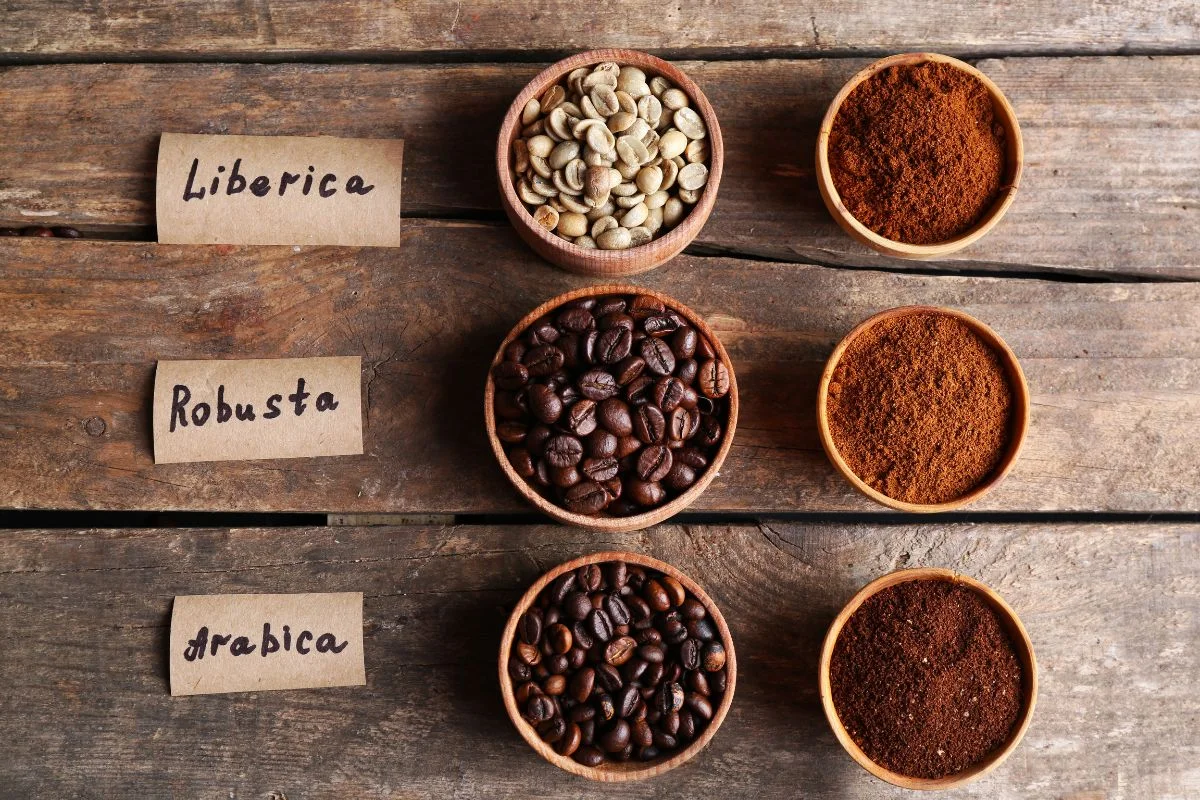
The Coffea genus has more than 120 known species, but almost all the coffee we drink comes from two: Coffea arabica and Coffea canephora (robusta and conilon).
Within each species there are varieties, like Bourbon, Catuaí or Geisha, which you can explore on the Varieties page. And each variety expresses itself differently depending on where it is grown.
That is why origin is so prominent on specialty coffee bags: country, region, farm and even the plot help predict what will be in the cup.
The Species
Arabica
Native to the forests of Ethiopia. Prefers altitude and mild climates, has more sugars and acidity, and is the basis of specialty coffee.
About 55-60% of world production · caffeine ~1.2%
Canephora (Robusta and Conilon)
More resistant to pests and heat, higher-yielding, with more body and bitterness. Brazil is one of the largest producers.
About 40% of production · caffeine ~2.2%
Fine Canephoras
Amazonian Robustas from Rondônia and conilons from Espírito Santo are reaching high scores thanks to selective picking and good processing.
Notes of cocoa, spices and yellow fruit
Liberica and Excelsa
Large trees with bigger fruit and a very different flavor, with smoky and jackfruit notes. Common in Southeast Asia.
Less than 2% of production
Eugenioides
A wild species and one of arabica's "parents". Low caffeine and impressive sweetness; it shows up in competitions.
Extremely rare on the market
Stenophylla
A West African species recently rediscovered, heat tolerant and with a sensory profile similar to arabica.
A promise in the face of climate change
Major Origins and Their Profiles
Useful generalizations, but every farm can surprise you.
| Origin | Common processes | Typical profile |
|---|---|---|
| Brazil | Natural, pulped natural | Chocolate, nuts, caramel, heavy body |
| Colombia | Washed | Caramel, red fruit, medium acidity |
| Ethiopia | Washed and natural | Floral, citrus, red fruit, tea-like |
| Kenya | Washed | Blackcurrant, tomato, vibrant acidity |
| Guatemala | Washed | Chocolate, spices, citric acidity |
| Costa Rica | Honey, washed | Honey sweetness, yellow fruit |
| Panama | Washed, natural | Geisha: jasmine, bergamot, peach |
| Indonesia (Sumatra) | Wet-hulled | Earthy, spices, heavy body, low acidity |
| Rwanda and Burundi | Washed | Red fruit, black tea, floral |
| Yemen | Natural | Winey, spices, dried fruit |
Brazilian Regions Worth Knowing
Brazil is the world's largest producer and has a huge diversity of terroirs.
Sul de Minas and Mantiqueira de Minas
High mountains, hand picking on many farms and sweet coffees with delicate acidity and yellow fruit notes.
Cerrado Mineiro
Brazil's first coffee Designation of Origin. A well-defined climate, mechanized harvesting and chocolate-caramel profiles.
Mogiana Paulista
A century-old tradition, with medium-bodied, sweet coffees and milk chocolate notes.
Matas de Minas
Small family farms on steep terrain, with complex and fruity coffees.
Chapada Diamantina (Bahia)
High altitude in the Northeast and award-winning coffees with bright acidity and floral notes.
Espírito Santo Mountains
High-altitude arabicas with fruity profiles; the state is also Brazil's largest conilon producer.
Rondônia (Matas de Rondônia)
Amazonian Robustas with a Geographical Indication, often grown by Indigenous communities and smallholders.
Norte Pioneiro do Paraná
A region with an Indication of Source and medium-bodied coffees with marked sweetness.
Origin Is Not Destiny
Use origin as a clue, not a rule. Variety, altitude, process and roast matter as much as the country. The best way to learn is to taste coffees from different origins side by side.
Glossary Terms
See full glossary →- Variety / Cultivar
- The genetic variety of the coffee plant (e.g. Bourbon, Typica, Gesha, Catuaí). Greatly influences cup flavor.
- Gesha / Geisha
- A highly prized Ethiopian-origin variety known for extraordinary floral, jasmine, and tropical fruit complexity. Often very expensive.
- Single Origin
- Coffee from one specific country, region, or farm, allowing the terroir and processing to shine.
- Altitude (masl)
- Meters above sea level where coffee is grown. Higher altitude = slower maturation = denser beans = more complex flavor.
- Terroir
- The environmental conditions (soil, altitude, climate, shade) of a specific place that influence the character of the coffee.
Let's learn more?