
Water and Extraction
The science behind the perfect water for your coffee
The Importance of Water in Coffee
Coffee is 98-99% water, making it the most important ingredient after the beans. Water quality directly affects the flavor, aroma, and body of the final beverage, being able to enhance or mask coffee characteristics.
Even the best coffee in the world, prepared with impeccable technique, can result in a mediocre cup if the water used is not adequate. On this page, we will explore the fundamental aspects of water for coffee and how to optimize extraction.
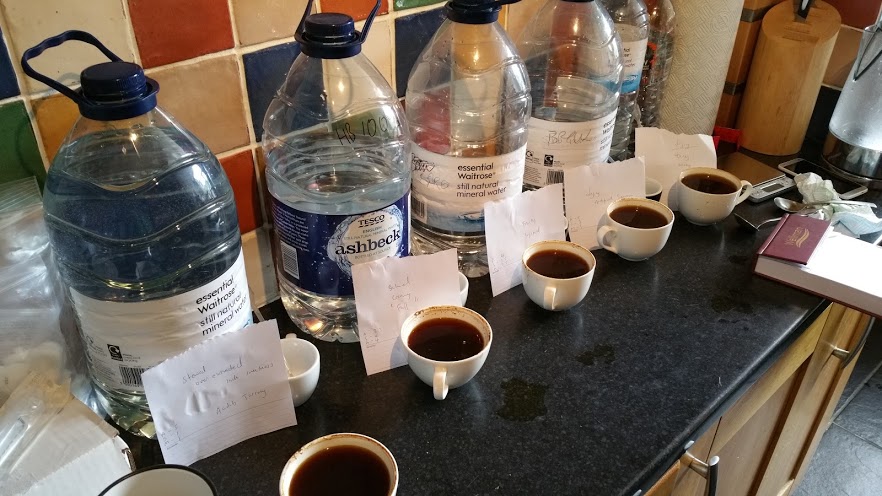
Ideal Water Composition
Total Hardness
Total hardness refers mainly to the concentration of calcium and magnesium in water. The Specialty Coffee Association (SCA) recommends a total hardness between 50-175 ppm (parts per million). Very soft water (low hardness) results in insufficient extraction and watery flavor, while very hard water makes the drink heavy and chalky with muted acidity, and causes scale buildup in equipment.
Alkalinity
Alkalinity measures the water's ability to neutralize acids. The SCA recommends alkalinity between 40-70 ppm. Water with high alkalinity neutralizes desirable coffee acids, resulting in a beverage without brightness and with flat flavors.
pH
The ideal pH for coffee water is between 6.5 and 7.5 (neutral to slightly acidic). Water that is too acidic or too alkaline interferes with proper extraction of coffee compounds.
TDS (Total Dissolved Solids)
The ideal TDS for coffee is between 75-250 ppm. This value represents all minerals and salts dissolved in water. Water with very low TDS (like distilled water) produces coffee without body and with flat flavor, while very high TDS can result in unwanted flavors.
SCA Standard for Coffee Water
- Odor: Clean/Fresh, no odor
- Chlorine: 0 mg/L
- TDS: 75-250 mg/L (ideal: 150 mg/L)
- Hardness: 50-175 mg/L (ideal: 75-125 mg/L)
- Alkalinity: 40-70 mg/L (ideal: 40 mg/L)
- pH: 6.5-7.5 (ideal: 7.0)
- Sodium: 10 mg/L
Effect of Minerals on Flavor
Calcium (Ca²⁺)
Calcium helps extract compounds linked to body and sweetness. In excess, it is the main cause of the scale that builds up in kettles and machines. Coffee water recipes usually keep calcium hardness moderate.
Magnesium (Mg²⁺)
Research suggests magnesium binds readily to coffee flavor compounds, and many baristas prefer water with more magnesium than calcium to highlight acidity and fruity notes. Values between 10 and 30 ppm are common in coffee water recipes.
Bicarbonate (HCO₃⁻)
Bicarbonate acts as a buffer, neutralizing acids. At adequate levels (40-70 ppm), it helps balance coffee acidity. In excess, it neutralizes desirable acids, resulting in coffee without brightness and with flat flavor.
Unwanted Minerals
Some minerals and compounds should be avoided or minimized in coffee water:
Chlorine
Interferes with aromas and adds chemical flavors
Iron
Causes metallic flavors and oxidation
Sodium
In excess, adds unwanted salinity
Sulfates
Can add sulfurous flavors
Temperature and its Impact on Extraction
Water temperature is a critical factor in coffee extraction. Hotter water extracts compounds more quickly, while colder water results in slower and more selective extraction.
Recommended Temperature Ranges
Light roast coffees · 94°C
Light roasts contain more acids and soluble compounds that benefit from higher temperatures for proper extraction.
93-96°C (199-205°F)
Medium roast coffees · 91°C
Medium roasts offer a balance between acids and compounds developed in roasting, working well with intermediate temperatures.
90-94°C (194-201°F)
Dark roast coffees · 88°C
Dark roasts are more soluble and can become bitter with very high temperatures, benefiting from slightly cooler water.
85-90°C (185-194°F)
It is important to note that temperature drops quickly during brewing. For example, in filter methods, temperature can drop 5-8°C between when water is poured and when it passes through the ground coffee.
Temperature Effects
- High temperature (94-96°C): Extracts more acids, aromatic compounds, and caffeine. Can result in higher acidity and body, but can also extract unwanted bitter compounds.
- Medium temperature (88-92°C): Offers balanced extraction, highlighting both acidity and sweetness.
- Low temperature (80-85°C): More selective extraction, with fewer bitter compounds. Can result in coffee with less body and milder acidity, but can also lead to under-extraction.
Cold Brew
Cold extraction (cold brew) uses water at room temperature or refrigerated (2-21°C) for extended periods (12-24 hours). This method extracts fewer acids and bitter compounds, resulting in a naturally sweet and smooth beverage, with low acidity and high caffeine content.
Filtration Methods
- 01
Activated Carbon Filters
Remove chlorine, odors, and some organic contaminants. They are effective for improving flavor, but do not alter water hardness or mineralization.
- 02
Reverse Osmosis
Removes virtually all minerals and contaminants, resulting in almost pure water. For coffee, this water needs to be remineralized to obtain ideal results.
- 03
Ion Exchange Filters
Swap ions in the water for others. Common softeners swap calcium and magnesium for sodium; some coffee-specific filters swap part of the calcium for magnesium or hydrogen, reducing scale and alkalinity.
- 04
Coffee-Specific Filters
Products like BWT, Third Wave Water, and Peak Water are specifically designed to optimize water for coffee, adjusting mineralization to ideal levels.
Remineralization
If you use distilled or reverse osmosis water, it is essential to add minerals to obtain proper extraction. There are commercial products like Third Wave Water (mineral sachets) or you can create your own mixture using sodium bicarbonate, magnesium sulfate (Epsom salt), and calcium chloride in specific proportions.
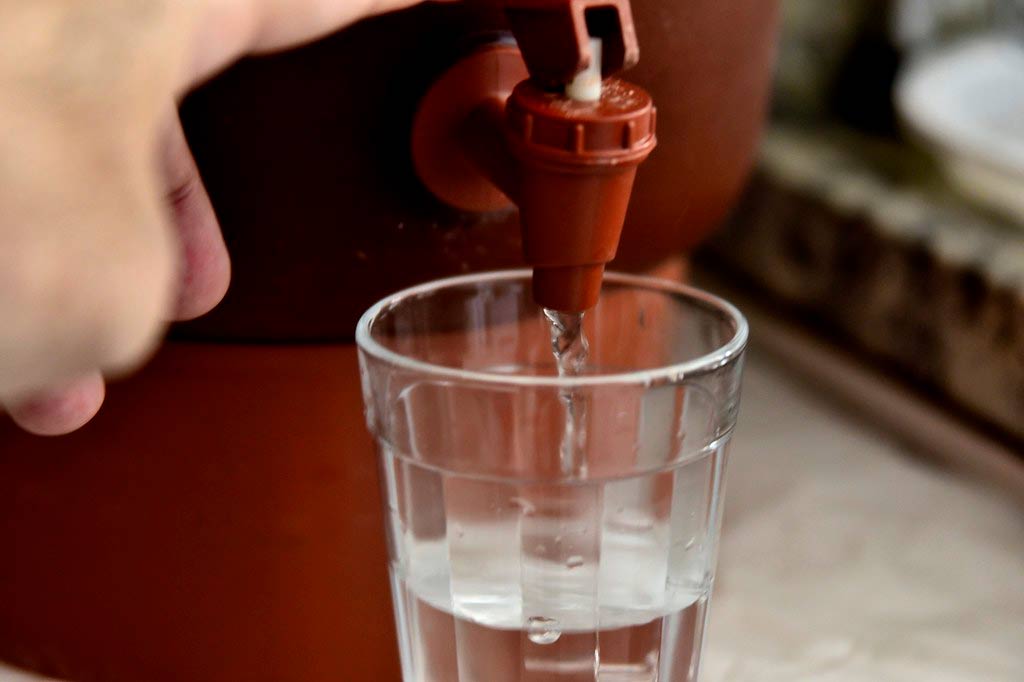
To optimize your water for coffee, it is useful to know its current composition. There are several options for testing:
Testing Your Water
- Hardness test kits: Measure calcium and magnesium
- TDS meters: Measure total dissolved solids
- pH strips: Measure acidity/alkalinity
- Professional tests: Laboratories can provide detailed analyses
Practical Recommendations
For Home Use
- Use activated carbon filters to remove chlorine and improve flavor
- If your water is very hard, consider a coffee-specific softener
- Avoid bottled water with high sodium or sulfate content
- Mineral water with TDS between 75-150 ppm generally works well
- Consider products like Third Wave Water to remineralize filtered water
For Cafes
- Invest in a professional filtration system with controlled remineralization
- Test your water regularly and adjust the system as needed
- Consider different water profiles for different coffees and methods
- Use scale protection filters for espresso machines
- Keep records of water quality and how it affects different coffees
Temperature Tips
- Use a thermometer or kettle with temperature control
- For more acidic coffees, use lower temperatures to soften
- For coffees with more subtle notes, use higher temperatures to extract more
- Preheat all equipment to minimize temperature drop
- Remember that altitude affects boiling point (decreases ~1°C every 300m)
Basic Recipe for Coffee Water
If you want to create your own coffee water using distilled or reverse osmosis water, here is a simple recipe:
- 68mg of sodium bicarbonate (NaHCO₃)
- 80mg of Epsom salt (magnesium sulfate heptahydrate, MgSO₄·7H₂O)
- 1 liter of distilled or reverse osmosis water
Completely dissolve the minerals in the water. The mix ends up with about 40 ppm of alkalinity and 32 ppm of magnesium hardness (both as CaCO₃), a light and effective water for extraction. To weigh milligrams, make a concentrate: dissolve 100x the recipe in 1 liter and use 10ml of it per liter of water.
Let's learn more?