
Espresso Drinks
Cappuccino, flat white, cortado, latte: understand the differences and learn to steam milk like a barista.
It All Starts With the Shot
Almost every café drink starts from the same base: a shot of espresso. What changes is the ratio of coffee, milk, foam and water.
There is no single worldwide rule. A cappuccino in Italy is smaller than one at an American chain, and every café has its own recipe. The measures below are common references in specialty coffee.
Understanding these ratios helps you pick the right drink for each moment and recreate at home what you love at the café.
Drinks Without Milk
Espresso
A concentrated extraction under pressure, with body, crema and intensity.
18g → 36g in 25-30s (1:2 ratio)
Ristretto
A shorter, more concentrated shot with more sweetness and body and less bitterness.
1:1 to 1:1.5 ratio
Lungo
A longer shot, less intense and with more bitter, drying notes.
1:3 ratio or more
Americano
Espresso diluted with hot water, with an intensity similar to filter coffee.
1 shot + 120-180ml water. With the water first and the espresso on top, it becomes a long black, which keeps more of the crema.
Affogato
A scoop of vanilla ice cream "drowned" in a hot shot of espresso.
Dessert and coffee in one glass
Espresso Tonic
Espresso poured over cold tonic water. Refreshing and citrusy.
1 shot + 120ml tonic + ice
Milk Drinks
Approximate volumes for a drink served in a cup.
| Drink | Total volume | Espresso | Milk | Foam |
|---|---|---|---|---|
| Macchiato | ~60ml | 1 shot | A splash | A spoonful |
| Cortado | ~90-120ml | 1 shot | Same amount as coffee | Very little |
| Flat White | ~150-180ml | 1 double shot | Steamed | Thin, ~0.5cm |
| Cappuccino | ~150-180ml | 1 shot | Steamed | Thick, 1-1.5cm |
| Latte | ~240-350ml | 1-2 shots | Lots of milk | Thin, ~1cm |
| Mocha | ~240-300ml | 1-2 shots | Steamed + chocolate | Thin or whipped cream |
| Pingado | ~150ml | Filter coffee | A little hot milk | No foam |
Brazilian "café com leite" usually uses filter coffee instead of espresso.
How to Steam Milk
- 01
Start With Cold Milk
Fill the pitcher to just below the spout (about 1/3). Cold milk gives you more time to build texture.
Tip: A chilled pitcher helps even more.
- 02
Purge the Wand
Open the steam for a second with the tip aimed at a cloth to clear condensed water.
Tip: Repeat after use, wiping the wand right away.
- 03
Aerate (the "Hiss")
Dip just the tip of the wand and open the steam. A gentle "tss-tss" means air is going in and creating foam.
Tip: Aerate longer for cappuccino; very little for flat white and latte.
- 04
Create the Whirlpool
Sink the tip a little and tilt the pitcher so the milk spins. This breaks big bubbles and creates microfoam.
Tip: The surface should be smooth and glossy, like paint.
- 05
Stop at the Right Temperature
Turn it off when the pitcher is too hot to hold, around 55-65°C.
Tip: Above 70°C milk loses sweetness and tastes cooked.
- 06
Tap and Swirl
Tap the pitcher on the counter to pop bubbles and swirl until the milk is uniform. Pour right away.
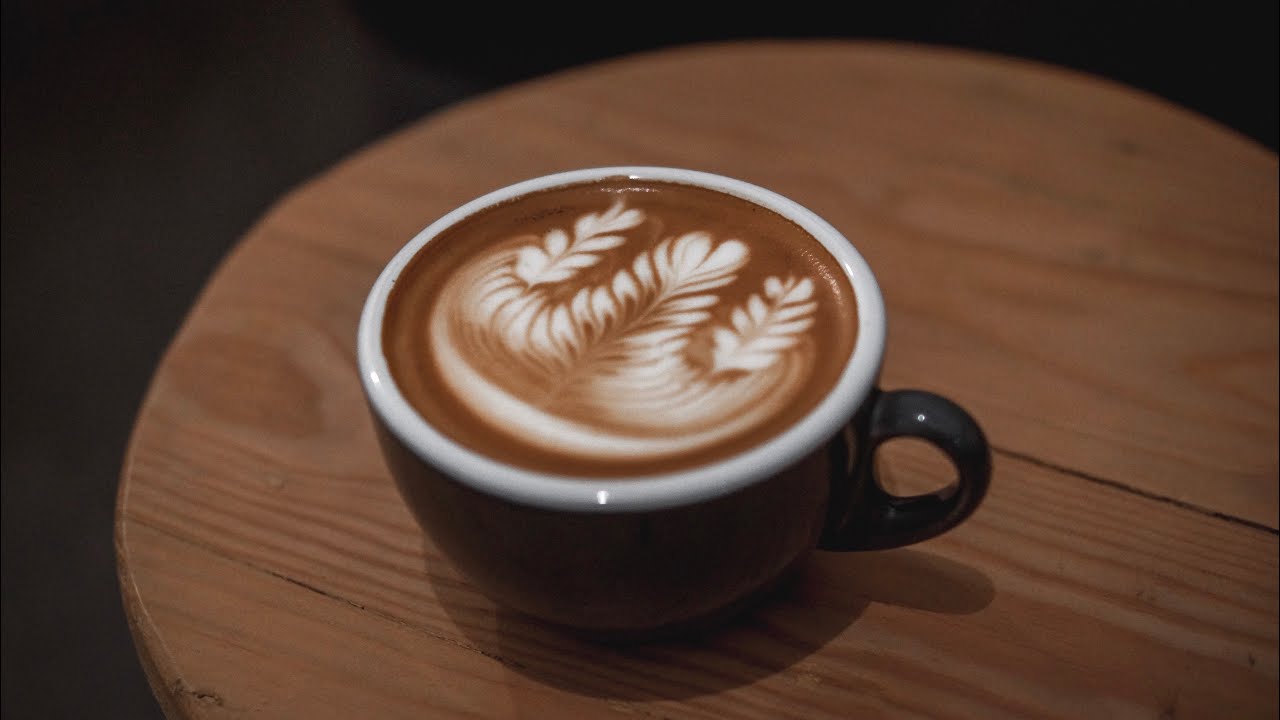
Tip: This is the starting point for latte art.
Which Milk to Use?
Whole milk
Its balance of fat and protein gives the creamiest, sweetest foam. It is the café standard.
Lactose-free
Foam very similar to whole milk and a slightly sweeter taste.
Skim
Makes plenty of foam, but it is dry and less flavorful.
Oat (barista edition)
The plant-based drink that best imitates milk texture. Prefer "barista" versions.
Soy
Good foam, but it can curdle with very acidic or very hot coffee.
Almond and nut milks
Strong flavor and less stable foam. Works best in iced drinks.
Barista Tip
For milk drinks, medium-roast coffees with chocolate, caramel and nutty notes tend to shine. Very acidic, floral coffees are better on their own.
Glossary Terms
See full glossary →- Crema
- The golden-brown foam on top of espresso, formed by CO₂ emulsified under pressure. Good crema indicates fresh coffee and proper extraction. "Crema de leite" refers to milk foam/microfoam.
- Pitcher (Milk Jug)
- The stainless steel jug used to steam and texture milk for espresso-based drinks. Comes in different sizes (300–600 ml) for single or multiple drinks.
- Portafilter
- The handle-mounted basket used in espresso machines to hold and lock ground coffee for extraction.
Let's learn more?