
The Coffee Fruit
Before it becomes a roasted bean, coffee is a fruit. Learn each layer of the cherry and why it changes the flavor in your cup.
Coffee Is a Fruit
What we call a "coffee bean" is actually the seed of a fruit that looks like a small cherry. Each fruit usually holds two seeds facing each other on their flat sides.
The cherry takes 6 to 9 months to ripen after flowering. During that time, sugars, acids and aromatic compounds build up in the pulp and in the seed. That is why picking ripe fruit is the first step to specialty coffee.
Knowing the layers of the fruit helps you understand post-harvest processing: washed, natural and honey are simply different ways of removing (or keeping) those layers before drying.
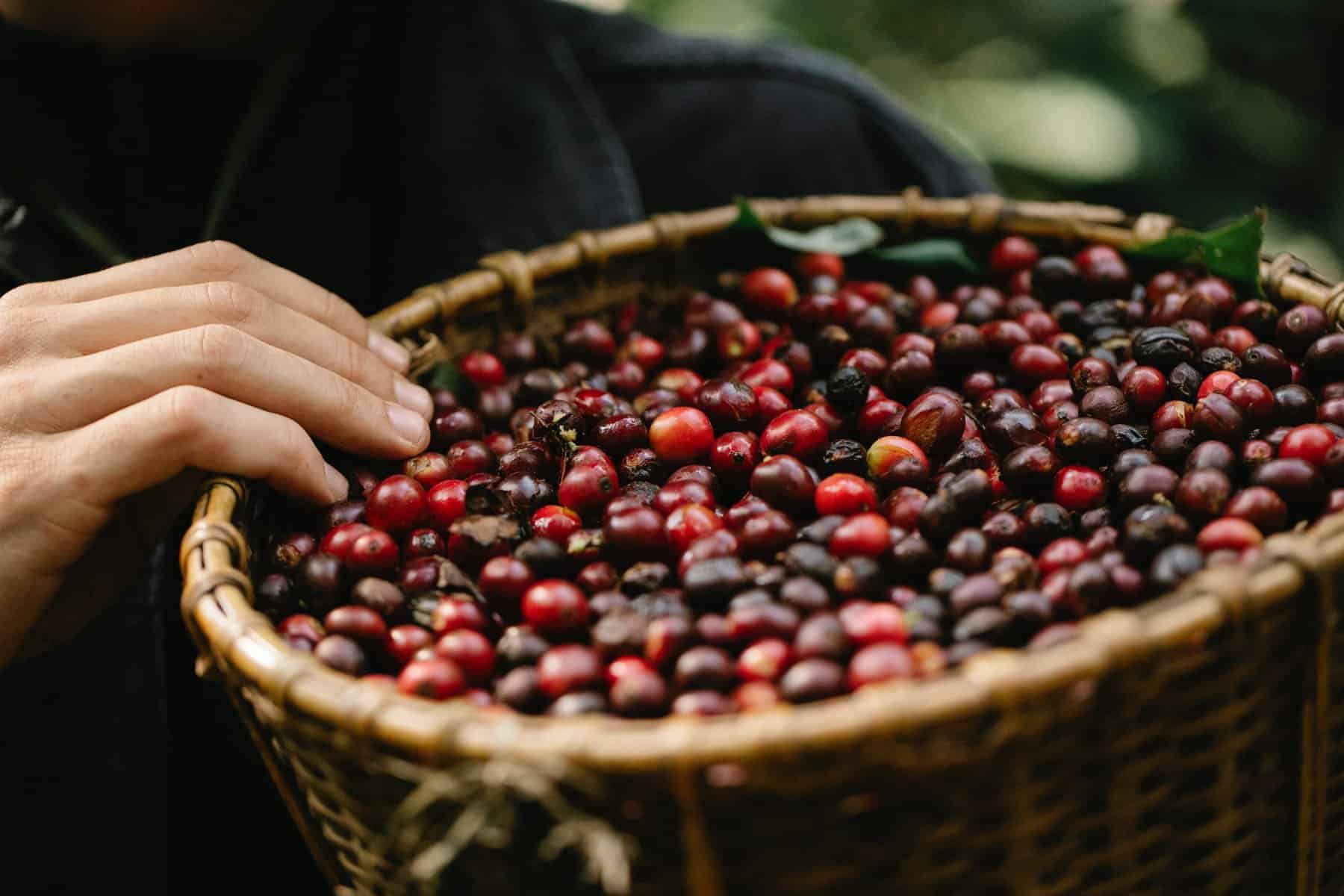
Anatomy of the Cherry
From the outside in, these are the layers that surround the seed.
Skin (Exocarp)
The thin, colorful skin. It turns from green to red or yellow, depending on the variety, as the fruit ripens.
Pulp (Mesocarp)
The fleshy, sweet layer. Dried together with the skin, it becomes cascara, used to make tea.
Mucilage
A sticky, sugar-rich layer clinging to the parchment. It gives the honey process its name.
Parchment (Endocarp)
A stiff shell protecting the seed. Coffee is stored in parchment and only milled close to sale.
Silver Skin
A very thin skin stuck to the seed. It comes loose during roasting and becomes the chaff.
Seed (Endosperm)
The green bean itself: the plant's energy reserve, full of sugars, lipids and aroma precursors.
Ripeness Stages
A single branch can hold fruit at several stages. Selective picking makes all the difference.
| Stage | Appearance | Effect in the cup |
|---|---|---|
| Green | Hard and green | Astringent, grassy, bitter |
| Semi-ripe | Yellowish, starting to ripen | Harsh acidity, little sweetness |
| Cherry (ripe) | Deep red or yellow, soft | Sweetness, balanced acidity and complexity |
| Raisin | Dark, starting to shrivel | More body and ripe fruit notes |
| Dry (floater) | Dried on the tree or on the ground | Risk of unwanted fermentation and defects |
Fruit Facts
Peaberry
In about 5 to 10% of cherries only one seed develops, becoming round. Many producers sort these beans out.
In Brazil it is called "moca" or "caracol".
Yield
It takes about 5 to 6 kg of cherries to get 1 kg of green coffee, which then loses another 12-20% of its weight in roasting.
Cascara
The dried skin and pulp make a fruity infusion with notes of hibiscus, raisin and honey, plus a little caffeine.
What's in the Seed
Carbohydrates, lipids, proteins, chlorogenic acids, trigonelline and caffeine: the "ingredients" roasting turns into flavor.
Flowering
Coffee's white flowers last only a few days and smell a lot like jasmine. Each flowering becomes a "flush" of fruit.
Altitude and Ripening
In higher, cooler places the fruit ripens more slowly and tends to build up more sugars and acidity.
From Fruit to Process
Each post-harvest process decides how much of the fruit stays in contact with the seed while drying.
Natural (Dry)
The whole fruit dries in the sun. Skin, pulp and mucilage pass on sweetness and intense fruity notes.
Washed
Skin, pulp and mucilage are removed before drying. It results in clean cups with bright acidity.
Honey
Skin and pulp are removed, but some mucilage stays. A middle ground between sweetness and clarity.
Controlled Fermentations
The fruit or seed ferments in controlled environments (anaerobic, carbonic maceration) to create unique profiles.
Why Does It Matter?
A coffee can only be as good as the fruit it came from. Roasting and brewing reveal a bean's potential, but they cannot create sweetness that was never there. That is why selective picking and careful post-harvest work are so valued in specialty coffee.
Glossary Terms
See full glossary →- Coffee Cherry
- The fruit of the coffee plant. Each cherry typically contains two seeds (beans).
- Mucilage
- The sticky, sugary layer between the coffee skin and the parchment. Its presence or removal during processing greatly affects flavor.
- Parchment
- The papery inner layer surrounding the green coffee bean, removed during milling.
- Green Coffee
- Unroasted coffee beans, ready for export and roasting.
- Natural (Dry)
- Whole coffee cherries are dried in the sun with the fruit intact, imparting fruity, wine-like, and fermented notes.
- Washed (Wet)
- Processing method where coffee cherry pulp is removed before drying, producing clean, bright flavors with higher acidity.
- Honey Process
- A hybrid method where some or all of the mucilage is left on the bean during drying, creating a balance between washed clarity and natural sweetness.
Let's learn more?