
Cultivation and Harvest
Discover how careful cultivation and selective harvesting are fundamental to the quality of specialty coffees.
The Origin of Quality
The quality of a specialty coffee begins long before roasting or brewing. It is born in the field, through careful agricultural practices, ideal environmental conditions, and especially through selective harvesting of ripe fruits.
The coffee plant (Coffea) is a tropical plant that thrives at high altitudes, between 800 and 2,000 meters, where temperature variations between day and night contribute to the development of sugars and acids that result in sensory complexity.
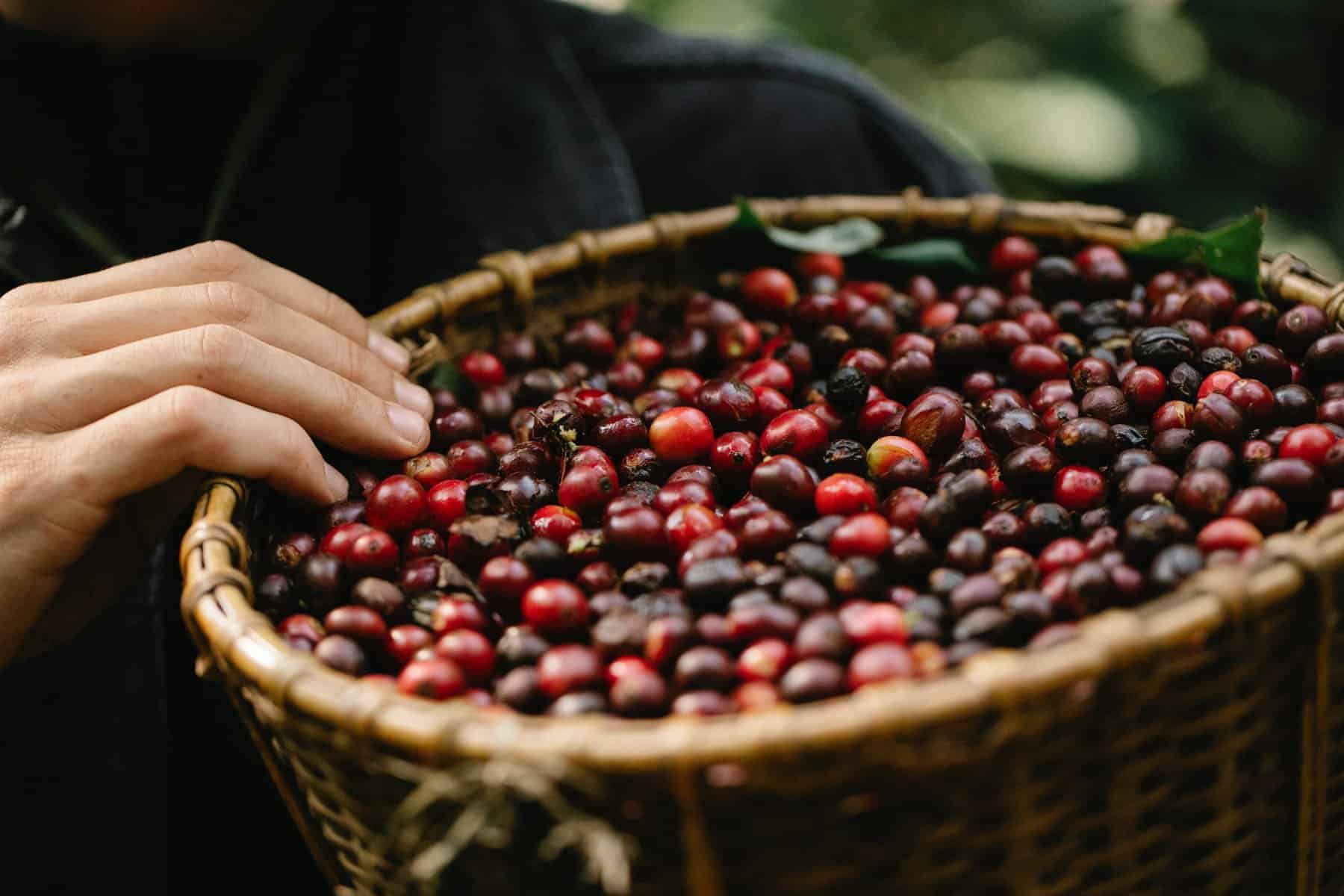
Harvest is a critical moment: only ripe cherries (red or yellow, depending on the variety) should be picked, as they contain the ideal concentration of sugars and aromatic compounds that characterize a specialty coffee.
Altitude
Between 800 and 2000m, milder temperatures slow ripening, favoring the build-up of sugars.
Seasonality
Harvest following the ripening cycle. In Brazil it usually runs from May to September; in other origins the calendar depends on the hemisphere and rainy seasons.
Manual Harvest
Manual selection of ripe fruits, ensuring uniformity and superior quality.
Sustainability
Agricultural practices that preserve the environment and value the producer.
Factors Influencing Quality
Environmental Factors
Temperature
Average temperatures between 18-24°C, with diurnal variation of 8-10°C for ideal development of aromatic compounds.
Precipitation
1200-1800mm annually well distributed, with a dry period during maturation for sugar concentration.
Soil
Volcanic soils or with good drainage, rich in organic matter and essential minerals for plant development.
Agricultural Practices
Shading
Cultivation under shade of native trees protects against thermal stress and promotes biodiversity.
Nutrition
Balanced fertilization focusing on organic matter and essential micronutrients for quality.
Management
Adequate pruning, pest and disease control in a sustainable way, respecting the natural cycle of the plant.
Harvest Methods
Picking (Selective)
Selective manual harvest, bean by bean, choosing only ripe fruits.
+ Maximum quality · + Total selectivity · − High cost · − Slow
Stripping
Harvest of all fruits from the branch, regardless of maturation stage.
Variable quality · + Faster · + Lower cost · − Less selective
Mechanized
Harvesters that shake the branches, used on flat terrain. With good sorting by ripeness and density afterward, it also produces specialty coffee, as in Brazil's Cerrado Mineiro.
+ Very fast · + Low cost · − Little selectivity · − Requires post-harvest sorting
Maturation Indicators
Ripe Cherry
Intense red fruit, soft to the touch, with maximum sugar concentration. Ideal for specialty coffees.
Green Cherry
Fruit still maturing, with high acidity and little sugar. Should be avoided in selective harvest.
Overripe
Overripe fruit, dehydrated on the plant. Can add sweetness but requires care in processing.
Let's learn more?