
Coffee Processing
Explore the different processing methods and how each influences the final sensory profile of coffee.
The Art of Transformation
Processing is the stage that transforms the harvested coffee fruit into green bean, ready for roasting. This process is fundamental in defining the final sensory profile of the beverage, influencing acidity, sweetness, body, and aromatic complexity.
There are three main processing methods: washed (wet), natural (dry), and honey (pulped natural). Each method results in distinct sensory characteristics, allowing the same coffee to express different personalities.
The choice of method depends on factors such as climate, available infrastructure, local tradition, and the sensory profile desired by the producer and roaster.
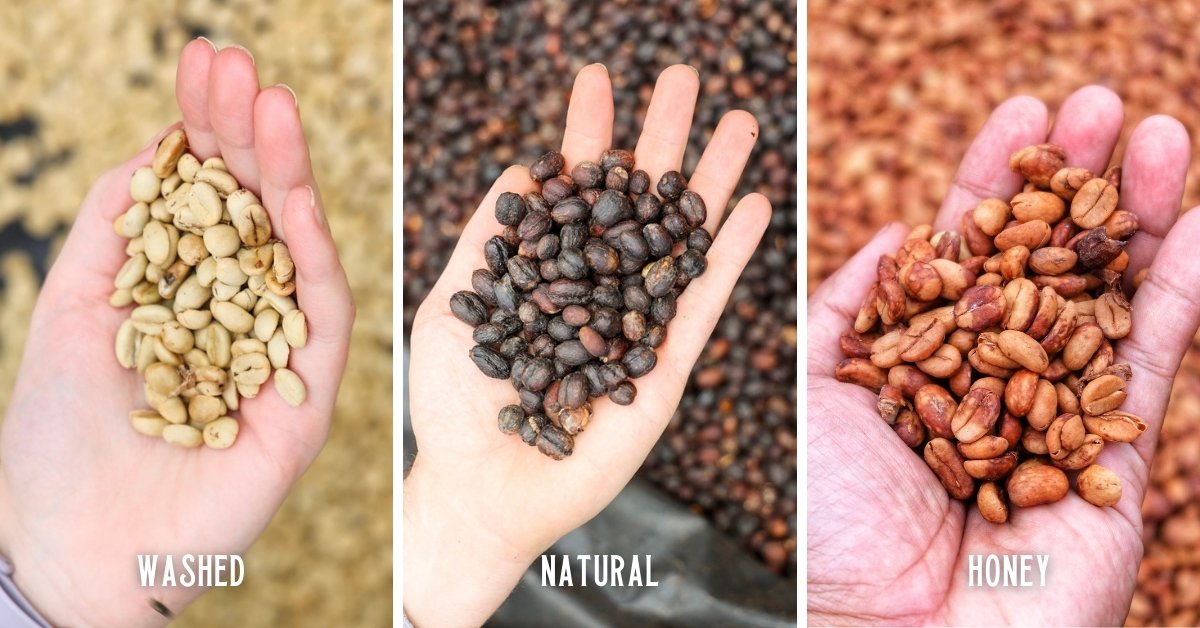
Washed (Wet)
Removal of pulp before drying, resulting in clean coffees with bright acidity.
Characteristics:: Bright and clean acidity · Medium to light body · Floral and fruity flavors · Cleaner profile
Natural (Dry)
Drying the whole fruit in the sun, creating sweet and fruity coffees with fuller body.
Characteristics:: Intense sweetness · Full body · Complex fruity notes · Lower acidity
Honey (Pulped Natural)
Hybrid between washed and natural, keeping part of the mucilage during drying.
Characteristics:: Balance between sweetness and acidity · Medium body · Aromatic complexity · Honey and fruit notes
Detailed Process by Method
Washed (Wet)
Process Steps:
- Depulping: removal of skin and pulp
- Fermentation: 12-72h, in dry or water-filled tanks
- Washing: removal of fermented mucilage
- Drying: on patios or mechanical dryers
- Hulling: removal of parchment
Advantages:
- Precise fermentation control
- Consistent sensory profile
- Lower risk of defects
- Faster drying
Natural (Dry)
Process Steps:
- Selection: separation of ripe fruits
- Drying: whole fruit in the sun (about 2 to 4 weeks)
- Turning: several times a day
- Monitoring: moisture and temperature
- Hulling: removal of dry skin
Special Care:
- Protection against rain
- Constant turning
- Moisture control (11-12%)
- Rigorous fruit selection
Honey Process (Pulped Natural)
Honey Variations:
- White Honey: 80-100% mucilage removed
- Yellow Honey: 50-80% mucilage removed
- Red Honey: 25-50% mucilage removed
- Black Honey: 0-25% mucilage removed
Critical Factors:
- Drying control
- Prevention of excessive fermentation
- Moisture monitoring
- Drying time (10-15 days)
Controlled Fermentation
Advanced fermentation techniques are revolutionizing specialty coffee processing:
Anaerobic Fermentation
Fermentation in an oxygen-free environment, creating unique and complex sensory profiles.
Yeast Fermentation
Inoculation of specific yeasts to control and direct the sensory profile.
Carbonic Maceration
Technique adapted from winemaking, creating coffees with intense fruity notes.
Quality Control
Essential parameters to ensure quality during processing:
| Final Moisture | Drying Temperature | Fermentation pH | Fermentation Time |
|---|---|---|---|
| 10.5-12% | < 40°C | ~4.0-4.6 (end point) | 12-72h |
Let's learn more?