
Coffee and Food
How to choose what to eat with each coffee, based on what happens in your mouth when flavors meet.
Two Flavors in the Same Mouth
Bread with a milky coffee, cake with an afternoon filter: we already pair coffee with food every day without thinking about it. With specialty coffee, you can choose better and make the coffee and the food taste better together than apart.
The logic is the same one used with wine and beer: balance the intensity, look for similar flavors or try contrasts. There is no combination that is right for everyone, but these principles help you get it right more often.
Once you have learned to recognize a coffee's notes, this is a good next step: using food to find flavors you had not noticed in the cup.
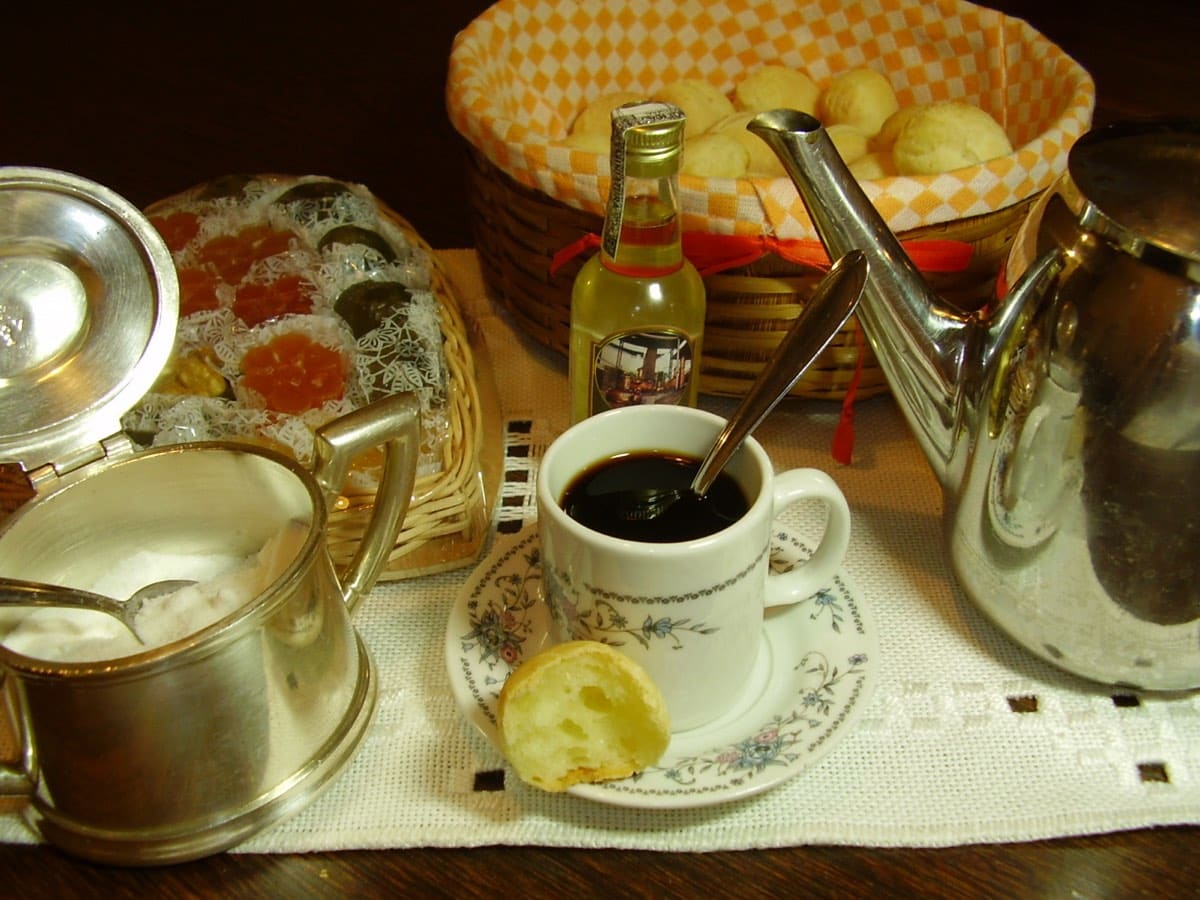
Three Principles
Intensity
Delicate coffee with delicate food, intense coffee with strongly flavored food. If one side is much stronger, it drowns out the other.
The first filter for any pairing.
Similarity
Look for the notes the coffee already has in the food: a chocolatey coffee with a chocolate dessert, a citrusy coffee with something orange.
Reinforces what the coffee already has.
Contrast
Combine different flavors that balance each other: something salty or rich with a coffee with bright acidity, for example.
Riskier, but sometimes surprising.
What Happens in Your Mouth
Tastes interfere with one another, which explains many pairings.
Sweetness lowers bitterness
Research on taste interactions shows that sweetness reduces how bitter something tastes. That is why a more bitter coffee seems smoother next to something sweet.
Salt lowers bitterness too
Sodium salts reduce bitterness, and when that happens in a sweet and bitter mixture, the sweetness stands out more. It is one reason cheese and savory breads go well with coffee.
Sweetness hides acidity
Sweetness also lowers the perception of sourness. A very sugary dessert can erase exactly the acidity that makes a washed coffee interesting.
Milk softens
Milk drinks taste softer and suit lighter foods or sweets. Black coffee, filter or espresso, is the most versatile.
By Coffee Profile
Starting points to test, not rules.
| Coffee | Try it with | Why |
|---|---|---|
| Washed, floral and citrusy | Plain breads, scones, fruit, red berry jam | Light foods do not drown out the acidity and delicate notes |
| Natural, fruity and sweet | Chocolate, custards, pastries | Similarity: the sweetness of the natural meets the sweetness of the dessert |
| Medium roast, chocolate and nuts | Cornmeal cake, cheese bread, butter cookies | Similar intensity and toasty notes that meet |
| Espresso | Aged, salty cheeses | Salt softens the bitterness and the fat matches the body |
| Black filter coffee | Bread with cream cheese | Savory and creamy, with no sugar to hide the acidity |
| Milk drinks | Sweets with caramel or chocolate | Milk calls for sweeter, softer foods |
The scone, chocolate, cheese and bread with cream cheese pairings were suggested by baristas and judges interviewed by Perfect Daily Grind. The others follow the same principles and are worth testing.
Coffee and Cheese
One of the favorite pairings among coffee professionals.
Room Temperature
Take the cheese out of the fridge first. Cold cheese shows fewer aromas and flavors.
A cheesemonger recommendation.
Cheese First
Taste the cheese and then the coffee, to notice how one changes the other.
Swap the order to compare.
Shared Notes
Nuts, caramel, chocolate, fruit and flowers show up in both coffees and cheeses. That is where good pairings start.
Watch the Extremes
A very strong cheese can drown out a delicate coffee, and the other way around. Go back to the intensity principle.
Set Up a Tasting at Home
- 01
Pick Two Different Coffees
For example, a washed coffee with bright acidity and a sweeter natural, brewed the same way.
Tip: Taste both on their own first, as a reference.
- 02
Choose Three or Four Foods
One salty, one sweet, one rich and one fruity, in small pieces.
Tip: Keep water nearby to clear your palate between tastes.
- 03
Coffee, Food, Coffee
Taste the coffee, then the food, then the coffee again. Notice what changed: sweeter, more bitter, more acidic, shorter?
Tip: Changes are usually clearer on the second sip.
- 04
Take Notes
Write down what worked and what did not. Over time you will find your favorite pairings.
Tip: The Coffee Journal in Tools works well for this.
What Usually Gets in the Way
Seafood
Tends to clash with coffee. Pairing experts recommend leaving it out.
Very spicy dishes
The heat takes over your mouth and drowns out the coffee's notes.
Very sugary desserts
They hide the acidity and make the coffee taste thin. Choose less sugary sweets.
Your palate decides
As with tasting, there is no single answer. The principles help you choose what to try, but the best pairing is the one you enjoy. And sometimes a specialty coffee is best on its own.
Glossary Terms
See full glossary →- Acidity
- A desirable brightness and liveliness in coffee, not sourness. Described as citric (lemon/orange), malic (apple/grape), or tartaric.
- Body
- The perceived weight, texture, and mouthfeel of coffee — from light and tea-like to heavy and syrupy.
- Sweetness
- A naturally sweet sensation in the coffee, often described as caramel, honey, or fruit, not added sugar.
- Flavor
- The combined taste and aroma perceived on the palate. The central attribute in coffee evaluation.
Sources and References
- Perfect Daily Grind (2016): The best coffee and food combinations according to experts
- Perfect Daily Grind (2023): How to pair specialty coffee and cheese
- Breslin, P. A. S.; Beauchamp, G. K. (1997). Salt enhances flavour by suppressing bitterness. Nature, 387, 563.
- Keast, R. S. J.; Breslin, P. A. S.; Beauchamp, G. K. (2001). Suppression of bitterness using sodium salts. Chimia, 55(5), 441.
- Keast, R. S. J.; Breslin, P. A. S. (2003). An overview of binary taste-taste interactions. Food Quality and Preference, 14(2), 111-124.
- Culture Magazine: Cheese + Coffee
- Photo: "Pao de queijo com cafe" by nwerneck, Wikimedia Commons, CC BY 3.0 license
Let's learn more?