
The Maillard Reaction in Coffee Roasting
Discover how the chemistry behind roasting transforms your coffee
The Chemistry Behind Flavor
The Maillard Reaction is a complex chemical process between amino acids (proteins) and reducing sugars that occurs when heated. It is responsible for developing aromas, flavors, and color in various foods. Besides coffee, we can observe this reaction in baked bread, grilled meats, toasted marshmallows, and chocolate, among others.
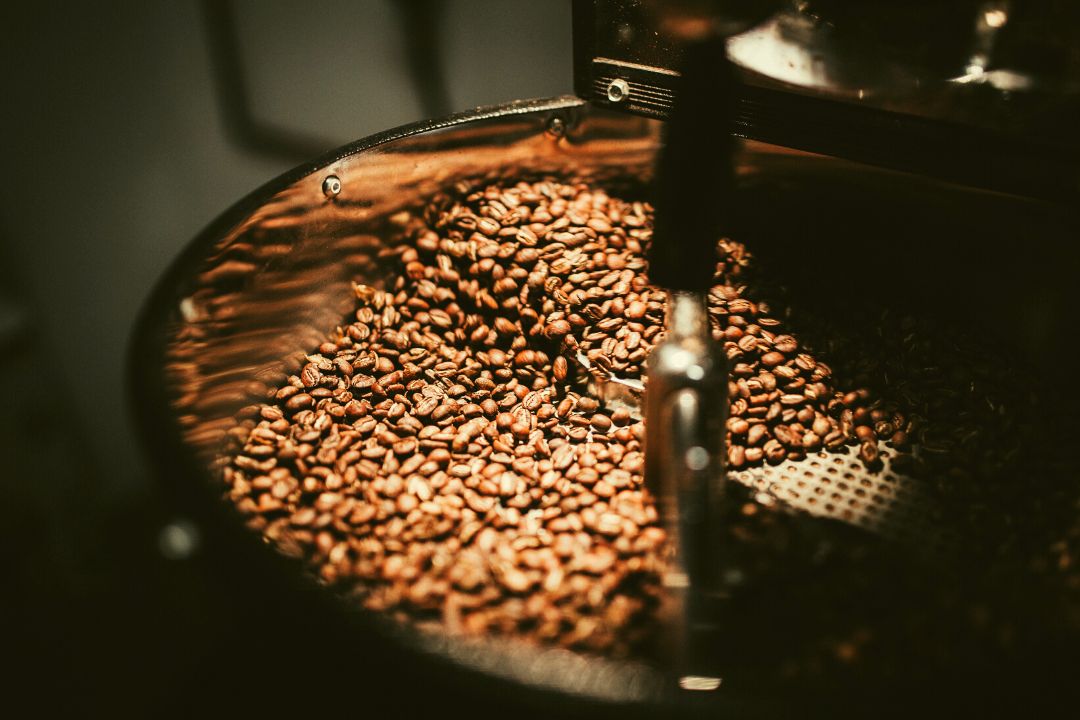
During roasting, when beans reach between 140°C and 200°C, naturally present amino acids and sugars react, generating hundreds of aromatic and gustatory compounds, transforming green coffee into a complex and aromatic beverage. It is important to note that the reaction begins at ~140°C, but its intensity increases significantly above 150°C, reaching its peak during medium roast (~180°C).
Precise control of this reaction is fundamental for developing the desired sensory profile, allowing the roast master to create coffees with unique and memorable characteristics.
Temperature
Begins to manifest around 140°C, but gains real intensity above 150°C, with peak intensity at medium roast.
Compounds
Formation of hundreds of aromatic compounds and melanoidins during the process.
Benefits
Some research indicates that melanoidins may have antioxidant properties.
Result
Complete transformation of green beans into aromatic and flavorful coffee.
Reaction Phases
- 01
1. Initial Phase (~140°C - 160°C)
In this phase, the Schiff base is formed, which is the bond between the carbonyl group of sugar and the amino group of the amino acid. This is the first crucial step of the reaction, which initiates the generation of mild aromatic compounds, resulting in cereal and bread notes.
- 02
2. Intermediate Phase (~160°C - 180°C)
This phase is marked by two important processes: the Amadori rearrangement, which leads to the formation of more complex intermediate molecules, and Strecker degradation, which produces volatile molecules responsible for nut, chocolate, and caramel aromas. At this point, the beans begin to develop an intense brown color.
- 03
3. Final Phase (~180°C - 200°C)
In the final phase, melanoidins are formed, which are responsible for the dark brown color, body, and flavor depth. It is a critical phase where precise temperature control is essential, as if exceeded, unwanted bitter flavors can arise that compromise the quality of the beverage.
Importance for Flavor
The Maillard reaction is fundamental for developing the sensory profile of coffee, occurring together with caramelization, a distinct yet complementary process. While Maillard is primarily responsible for aromatic complexity, caramelization contributes significantly to sweetness and color:
Maillard Contributions
- Development of complex and unique aromatic compounds
- Formation of melanoidins that contribute to the body of the beverage
- Creation of characteristic and complex gustatory notes
- Development of the brown color of the beans
- Contribution to the overall sensory complexity of coffee
Additional Chemical Aspects
- The Maillard reaction is known as "non-enzymatic browning", differentiating itself from browning caused by enzymes such as polyphenol oxidases (what browns a cut apple).
- During the process, among the compounds formed are furfural and HMF, which when polymerized, originate melanoidins, which besides color and flavor, have beneficial antioxidant properties.
- Chemical changes during the reaction can affect the solubility and nutritional value of proteins in coffee.
- The composition of the green bean (variety, origin and process) changes the sugars and amino acids available for the reaction. That is why the same roast gives different results: many Ethiopian coffees preserve floral notes already present in the bean, while Brazilian coffees tend to develop chocolaty profiles.
Difference from Caramelization
While the Maillard reaction occurs between amino acids and sugars, caramelization involves only sugars and contributes mainly to sweetness and color, without forming the same complex aromatic compounds as Maillard.
Reaction Control
The roast master needs to carefully manage various factors to obtain the desired results:
Control Factors
- Roasting drum temperature and its precise control
- Heat exposure time in each phase
- Rate of temperature rise (RoR - Rate of Rise)
- Drum airflow and ventilation
- Bean uniformity to ensure homogeneous reaction (smaller beans roast faster, affecting Maillard development)
- Constant monitoring of physical and chemical changes throughout the process
Impact on Brew Profile
- Light roasts: preserve floral and fruity notes, higher acidity, lower Maillard reaction intensity
- Medium roasts: optimal reaction point, balancing sweetness, chocolate notes, and body
- Dark roasts: maximum melanoidin development, more intense flavors, caramel notes and pronounced bitterness
Large Batch Challenges
In large-scale commercial roasting, controlling the Maillard Reaction presents specific challenges. Bean uniformity and temperature control precision are crucial to ensure consistency in the final result, requiring specialized equipment and constant monitoring.
Conclusion
The Maillard Reaction is fundamental to coffee. Without it, green beans would remain tasteless. Deep understanding and control of this complex chemical reaction allows roast masters to create specialty coffees with unique sensory profiles, harmoniously combining aroma, flavor, body, and color. It is the mastery in controlling this reaction that differentiates an exceptional coffee from a common one.
Let's learn more?