
Coffee Roasting
Discover the art and science behind roasting, the process that transforms green beans into aromatic coffee.
The Alchemical Transformation
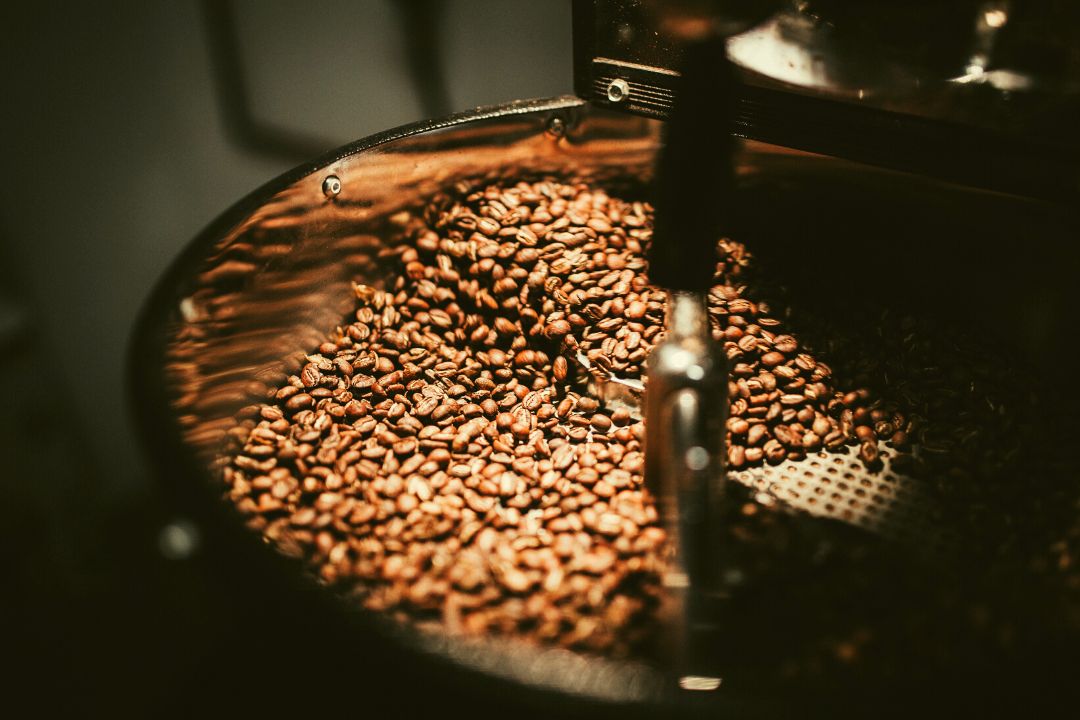
Roasting is the process that transforms green beans into aromatic coffee through the controlled application of heat. During this process, hundreds of chemical reactions occur that develop the characteristic flavors, aromas, and colors of coffee.
The roast master must balance time, temperature, and airflow to reveal the unique potential of each origin and variety. A well-executed roast enhances the positive characteristics of the bean, while an inadequate roast can mask or destroy its complexity.
Understanding the fundamentals of roasting allows specialty coffee enthusiasts to identify different roast profiles and how they influence the final flavor in the cup.
Temperature
The bean starts at room temperature and usually finishes between 195 and 230°C, depending on the roast level.
Time
Typical duration of 8-15 minutes, varying according to the desired profile.
Development
Critical phase after first crack, where the sensory profile is defined.
Cooling
Rapid stop of the process to preserve the desired roast profile.
Roasting Phases
- 01
1. Drying (0-5 min)
Removal of residual moisture from green beans (from 10-12% to about 1-3% in roasted coffee). Temperature rises gradually to 160°C.
Tip: Characteristics: Green color, herbaceous aroma, no significant chemical reactions
- 02
2. Maillard Reaction (5-8 min)
Beginning of reactions between sugars and amino acids. Development of aromatic compounds and bean darkening.
Tip: Characteristics: Yellowish color, bread/biscuit aroma, CO₂ formation
- 03
3. First Crack (8-10 min)
Bean expansion due to internal steam. Audible "crack" sound. Sugar caramelization intensifies.
Tip: Characteristics: Light brown color, sweet aroma, cell structure breaks
- 04
4. Development (10-12 min)
Critical phase where the sensory profile is defined. Balance between acidity, sweetness, and bitterness is established.
Tip: Characteristics: Medium brown color, oil development, aromatic complexity
- 05
5. Second Crack (12+ min)
Deeper cell structure break. More subtle sound than first crack. Beginning of carbonization.
Tip: Characteristics: Dark brown color, surface oils, roasted notes
- 06
6. Cooling
Immediate stop of the process through rapid cooling with cold air. Preserves the desired roast profile.
Tip: Objective: Temperature of 60°C in 2-4 minutes
Light Roast
- Finished shortly after first crack
- Pronounced acidity
- Floral and fruity flavors
- Lighter body
- Well-defined origin
- Filter methods, single origin coffees
Medium Roast
- Between first and second crack
- Balance between acidity and sweetness
- Medium body
- Caramel and chocolate notes
- Brewing versatility
- Espresso, various methods
Dark Roast
- After second crack
- Low acidity
- Full body
- Roasted and smoky notes
- Surface oils
- Traditional espresso, coffee with milk
Common Roasting Defects
Tipping
Burnt tips due to excessive initial heat. Causes localized bitterness.
Scorching
Surface burning from direct contact with hot metal. Acrid and unpleasant flavor.
Underdevelopment
Insufficient development after first crack. Herbaceous and astringent flavor.
Baking
Very slow roast with little development. Flat flavor without complexity.
Roasting Equipment
Drum Roaster
Most common commercially. Rotating drum with indirect heating. Allows precise control.
Hot Air Roaster
Uses hot air flow to roast. Faster and cleaner roast, ideal for light profiles.
Hybrid Roaster
Combines conduction and convection. Offers flexibility for different roast profiles.
Home Roaster
Smaller equipment for home use. Allow experimentation and learning.
Let's learn more?